

For a long time, marketers were obsessed with “hacking the algorithm.”
Post at this hour. Use this sound. Jump on that trend.
And yes, it worked for a while.
But somewhere between 2023 and now, something shifted and that’s all done. The algorithm doesn’t decide who wins anymore, people do.
The things we care about, laugh about, argue about and gather around, that’s culture. And culture is, now, doing the heavy lifting that algorithms used to. Not because platforms suddenly care about authenticity, but because people do.
And we’ll show you how to do it.
Community is the biggest buzzword going
But it isn’t just a marketing word anymore. It’s one of the few things that still creates real connection. You can see it in almost every brand with momentum today. They’re tapping into something people already feel part of.


Corteiz didn’t grow because of timing; it grew because it understood London’s attitude and grit, then took it international. Clint’s come up was unique and aspirational yet accessible for us all to watch along.
Melissa’s Wardrobe built Le Luxe through the strength of her personal brand and the trust she has cultivated with her followers, over the past decade.
A 2024 Edelman study showed that most people won’t buy from a brand unless they recognise shared values between them.
People want to feel aligned, not targeted. They want to belong to something. And when a brand genuinely understands that, its message travels further and faster than any ‘algorithmic’ wisdom or strategy ever could.
So who’s doing community and culture well?
A lot of brands are confused on how to do culture, just right. Using slang, hiring a popular influencer or posting memes doesn’t make you culturally relevant.
Culture-first marketing is about understanding how your audience actually lives: what they care about, why they buy, what music they listen to, who they vote for and what makes them feel seen.
The brands that feel unavoidable today, and live in your brain, aren’t trying to outperform culture, they’re shaped by it.
Nike didn’t build loyalty through ads alone; they built it by reflecting the real athletes and regular people that represent core parts of their audience. PNP Fitness, the New York Marathon and NSLB are all examples.


This is why algorithms alone can’t build brands.
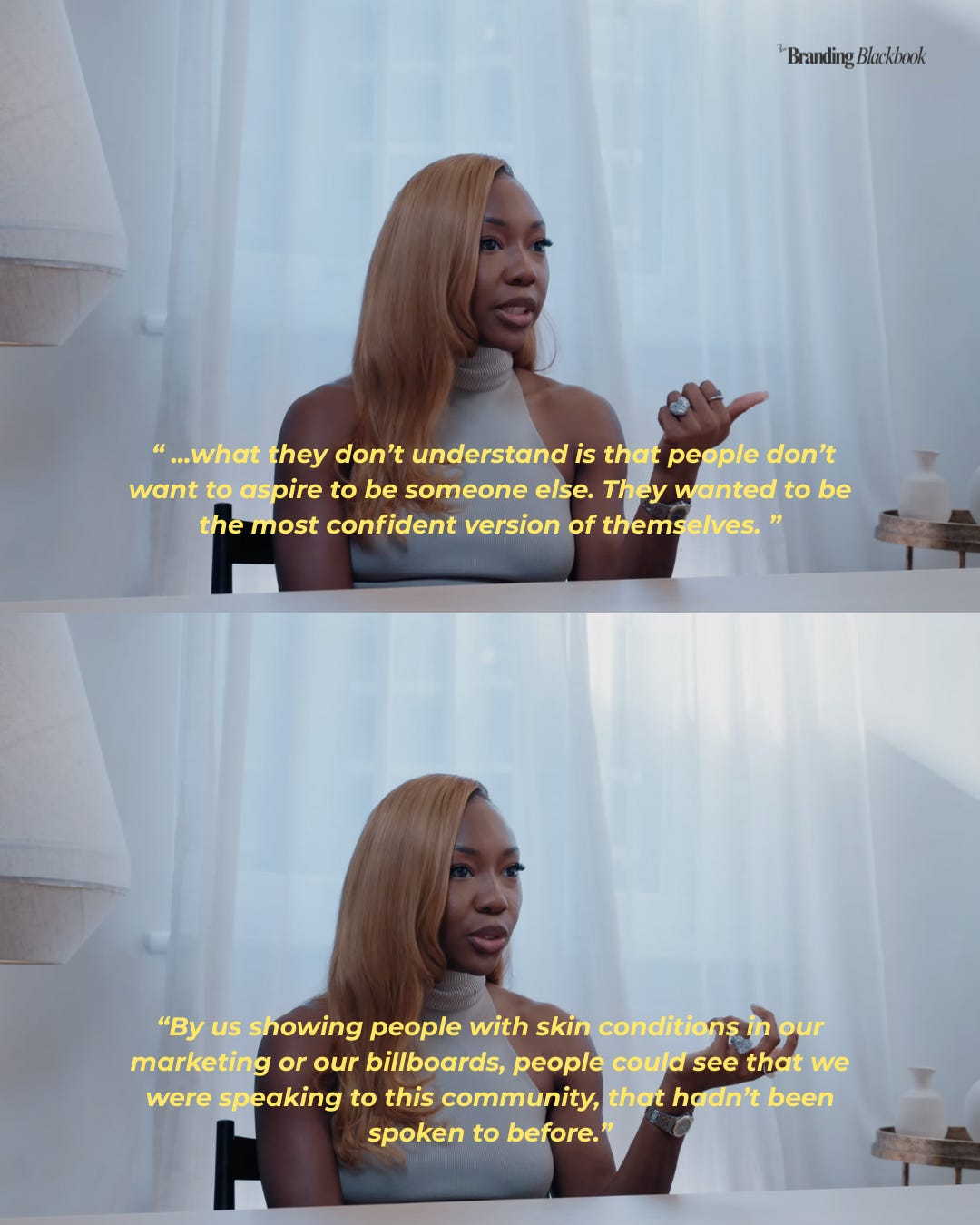
Olamide Olowe, founder of Topicals, explained this perfectly. When they launched, they created a simple horoscope meets skincare quiz, ‘Skin, Sun and Stars’. It cost $300 to build and 10,000 people played it in a month. Investors didn’t care about the quiz, they cared about what it proved, Topicals understood how their audience thinks, plays and shares. And they did this all for a fraction of the costs a conglomerate would do.
She also made a good point. People don’t aspire to become someone else. They want to feel like the most confident version of themselves. That’s why when Topicals shows people with real skin conditions in marketing or billboards, it made people more comfortable and excited to be a part of this brand. People could see that we were speaking to this community, that hadn’t been spoken to before.
If you want to grow, start with culture
If you’re a founder, the win isn’t in finding the next hack, it’s in understanding what your audience already cares about and creating from that place. There’s no point building a business that only you care about.
If you’re an agency, the opportunity isn’t in imitating culture, but in interpreting it, helping your clients show up authentically with the audience they’d like with context and respect.
Culture evolves every day, but it rewards the brands that participate, listen and contribute honestly.
If you want your brand to survive whatever the platforms do next, and this incredibly difficult business landscape right now, don’t chase the algorithm. Understand the culture. That’s where the real power (and money) is.
The brands that win won’t be the ones with the biggest budgets, they’ll be the ones who stay tapped in with their community and served them.
They will always be ahead.
Mentorship opportunities
Talent is everywhere, but access isn’t, especially for young people who haven’t had the networks or guidance that open doors.
That’s why Chloë Downes has launched a free six-month mentorship programme for ambitious people from working-class or underrepresented backgrounds. If you or someone you know could benefit from one-to-one support, clarity and direction, you can learn more and apply here. Applications will close on 29th December 2025.
Gosh, passionately nodding along. All so true. I'm about to publish a zine, Quiet Media, on the topic of attention and your writing here totally aligns with the ethos. Would love to connect and share notes 👩🏻💻
Great take.