
The internet is maturing, and so are the people who shape it. Culture moves faster and audiences are demanding more real substance than ever before.
If 2025 was the year brands tried to “keep up,” 2026 is the year they’ll be forced to genuinely participate.
Here are the cultural and community marketing shifts worth watching.
The Rise of the Intellectual Influencer
Lifestyle content isn’t disappearing, but its cultural dominance is. The era where creators made fortunes through aesthetic content alone is fading because audiences have begun asking a different question:
What do you actually know? Why should I even listen to you?
Influence in 2026 increasingly belongs to people who have built knowledge through practice. Dermatologists explaining what actually happens to your skin. Accountants democratising finance tips for communities historically locked out. Psychologists translating research into something usable.
What separates these voices is simple, they don’t need content to survive or validate their work.
Their careers exist outside the algorithm. A psychologist doesn’t lose income by skipping an ad deal. A lifestyle creator often does. That’s where trust is shifting, toward people whose credibility formed long before their following.
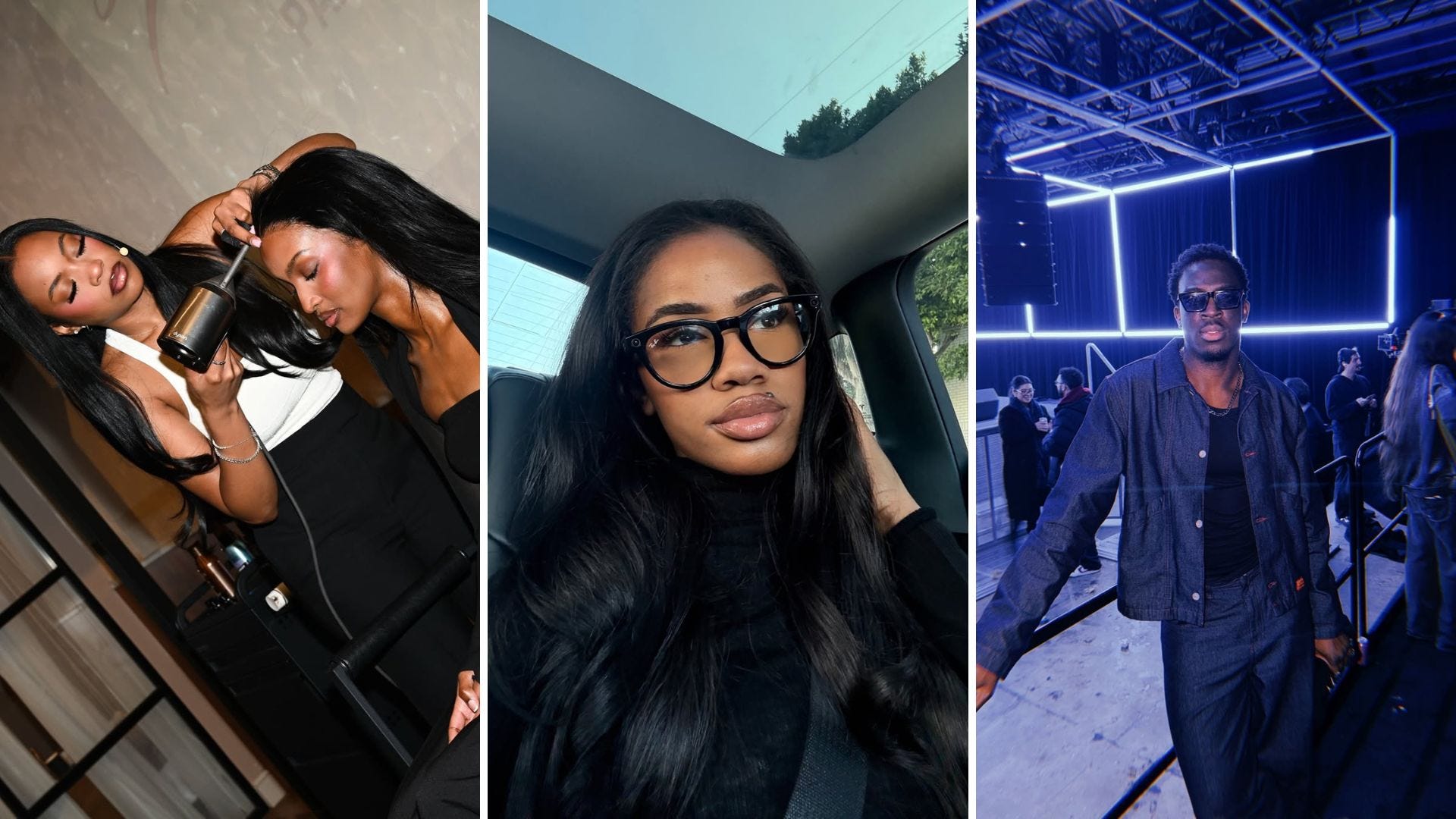
Some creators already entering this space are Mikai McDermott, Mia McGrath, Charlotte Mair, DonYé Taylor, Ibrahim Kamara, Alicia Lartey and Moyo.
Meanwhile, the internet is full of people claiming to run “the fastest-growing agency” or “seven-figure business” with zero receipts. Creators selling courses on “How to make £10,000 every month” from careers or businesses they don’t actually practice or know how to do, well. Communities are becoming more aware of this gap between performance and reality. In 2026, people will ask for proof.
This shift is fundamentally cultural. Communities want to learn from people who have done the work, not people who have only built the brand.
And only those that can show their receipts will last.
Human Content Becomes the New Premium
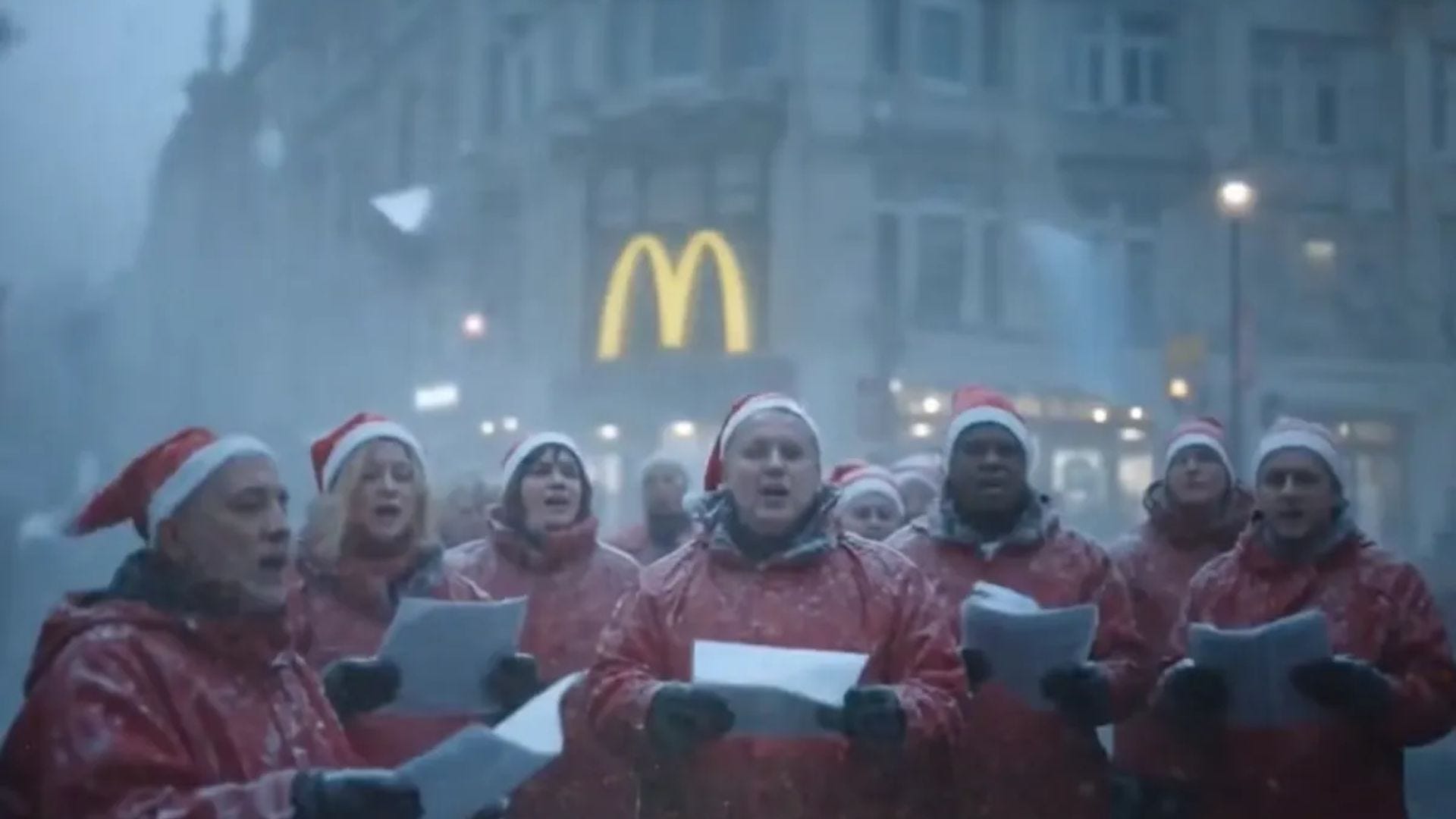
AI won’t disappear in 2026, but audiences are already tired of how samey everything feels. When every ad, script and concept looks like it came from the same prompt, the brand that chooses a human approach becomes instantly more interesting. We saw this at the end of last year with the unpopular McDonald’s AI Christmas Ad.
People want to feel the fingerprints of the creator. They want writing that sounds like someone thinking out loud and visuals that actually reflects culture. That’s why “talking like a normal person” has become the dominant tone here on Substack. Sh*tposting is miles better than the A.I slop we’ve been forced to accept.
This shift is community-driven. People want creators who show up as humans, not content machines. They want real, relatable, messy, imperfect stories and work. In 2026, human creativity becomes a marker of value again.
Creators Start Shaping Products, Not Just Promoting Them
Brands have spent years treating creators as distribution channels. In 2026, the smartest ones will bring creators into the room before the first script or prototype exists.
Product teams will start with a different question:
What does this creator’s community actually want?
Not in theory, but based on real discourse, comments sections, such as, Reddit, TikTok or Substack. The places where inside jokes and cultural nuance show up unfiltered. Communities will quietly become the new R&D labs and the economics are kinda scary.
Look at it this way, brands currently spend millions on market research and focus groups, but a single TikTok question can generate thousands of responses in hours. Or they can simply observe a creator's comment section, where their target audience is already talking.
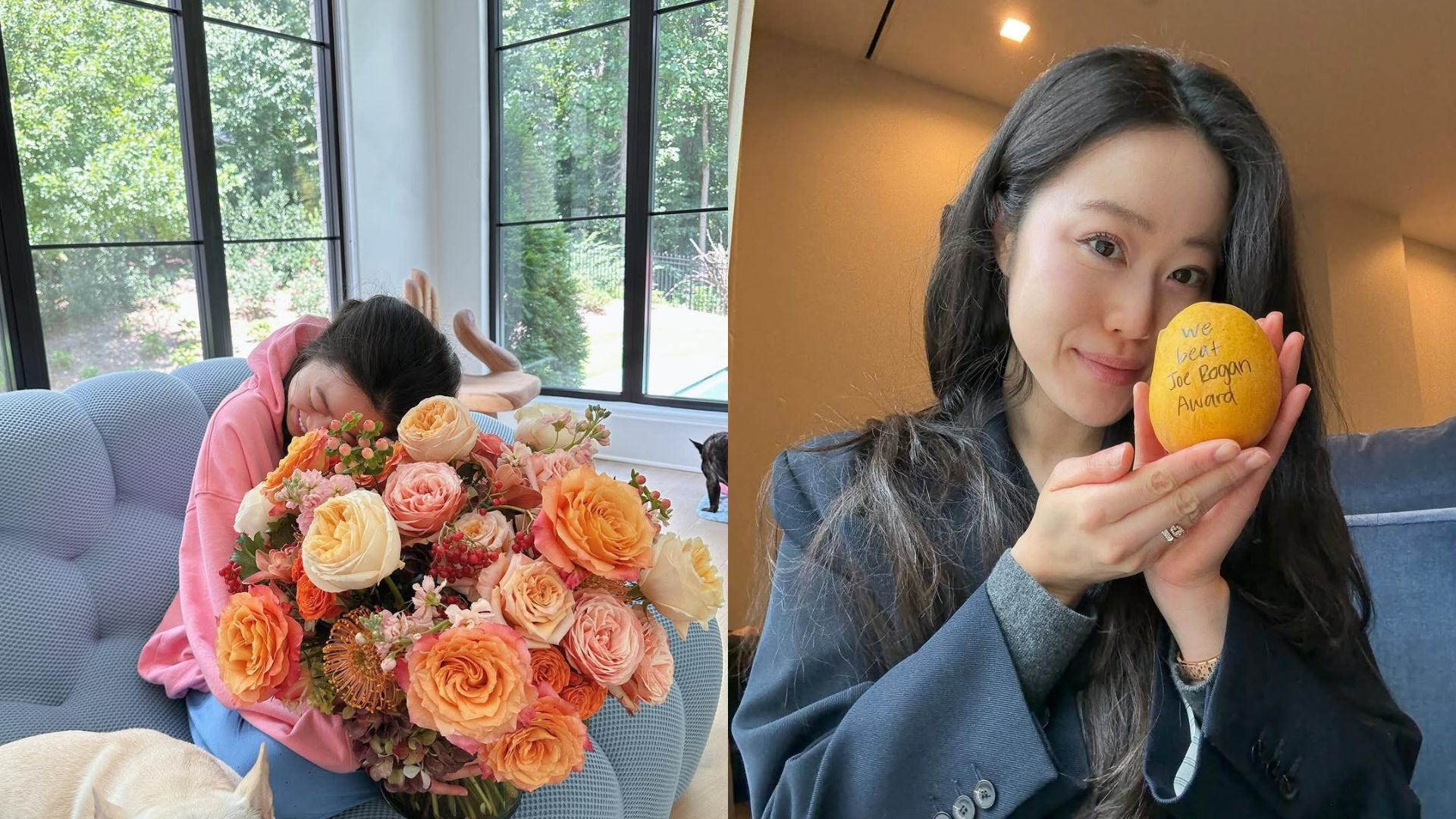
We’re already seeing glimpses of this with Netflix’s recent documentary on Diddy. True crime creator Stephanie Soo, from The Rotten Mango Podcast, worked on production itself, not just its promotion. In fact she barely promoted it, so far, we’ve only seen one post from her.
Creators aren’t just sitting at the edge of culture anymore, they’re embedded in it, shaping stories and products from the inside.
When audiences see themselves reflected in the decisions behind a product or piece of content, loyalty deepens. Culture becomes a co-author, not an afterthought.
Licensing Creator IP Becomes a New Revenue Model
One of the most exciting developments on the horizon is definitely brands licensing creators’ personalities, jokes, editing styles and recurring formats the same way musicians license samples. It repositions creators from faces-for-hire to owners of intellectual property.
Imagine a brand using a creator’s iconic meme format throughout a campaign or a viral character becoming the star of a supermarket TV spot. The creator doesn’t even need to appear in the content for their cultural imprint to be present. We’ve seen this with Bus Aunty Bemi, who worked with Burberry, Seventh Store, Spotify, Mac and many other brands.
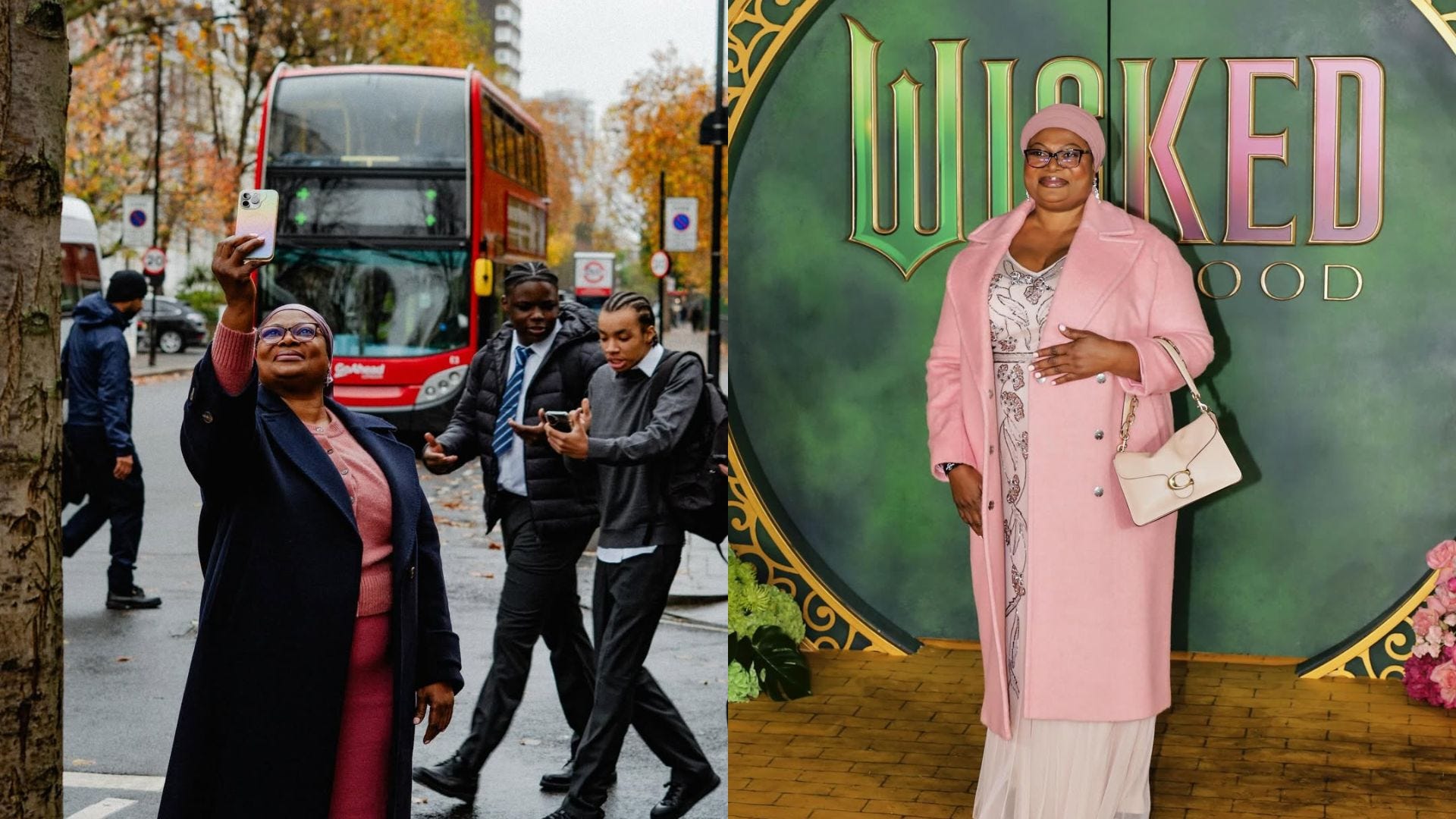
This creates a new revenue stream for creators, but more importantly, it signals a new shift, brands acknowledging that the formats and languages created online have real value. Communities shape these formats. Creators give them form. Brands (might) finally pay for both, we’ll have to wait and see.
In a world where culture moves at the lightning speed of group chats, licensing becomes a way for brands to align with communities without diluting what made the format work in the first place. It’s respectful, transparent and opens a new revenue stream, in an already super saturated market.
What This Means for 2026
Culture is becoming more community-led, more human and more anchored in real, shared experiences. Audiences are more discerning. Creators are more empowered. Brands are finally realising they’re late to a conversation communities have been having for years.
2026 won’t belong to the loudest or the most polished. It will belong to those who understand people, their humour, their needs, their curiosity, their desire for real voices and real work behind the content they consume.
Let us know if you agree or if we’ve missed something?
If you loved this story, you’ll find more like it over on Instagram and LinkedIn for more.
So much to love in here. With copywriting and AI, I've fed an AI every single copywriting book we give to our graduate scheme and even with all that knowledge strips away any sense of personality and individuality a human actually brings to it.