
Ramboistalking (Rambo): “Was there ever a time you met someone who made you feel broke 💰”
Central Cee: “Obviously Drake”
This is the question that went global for Rambo.
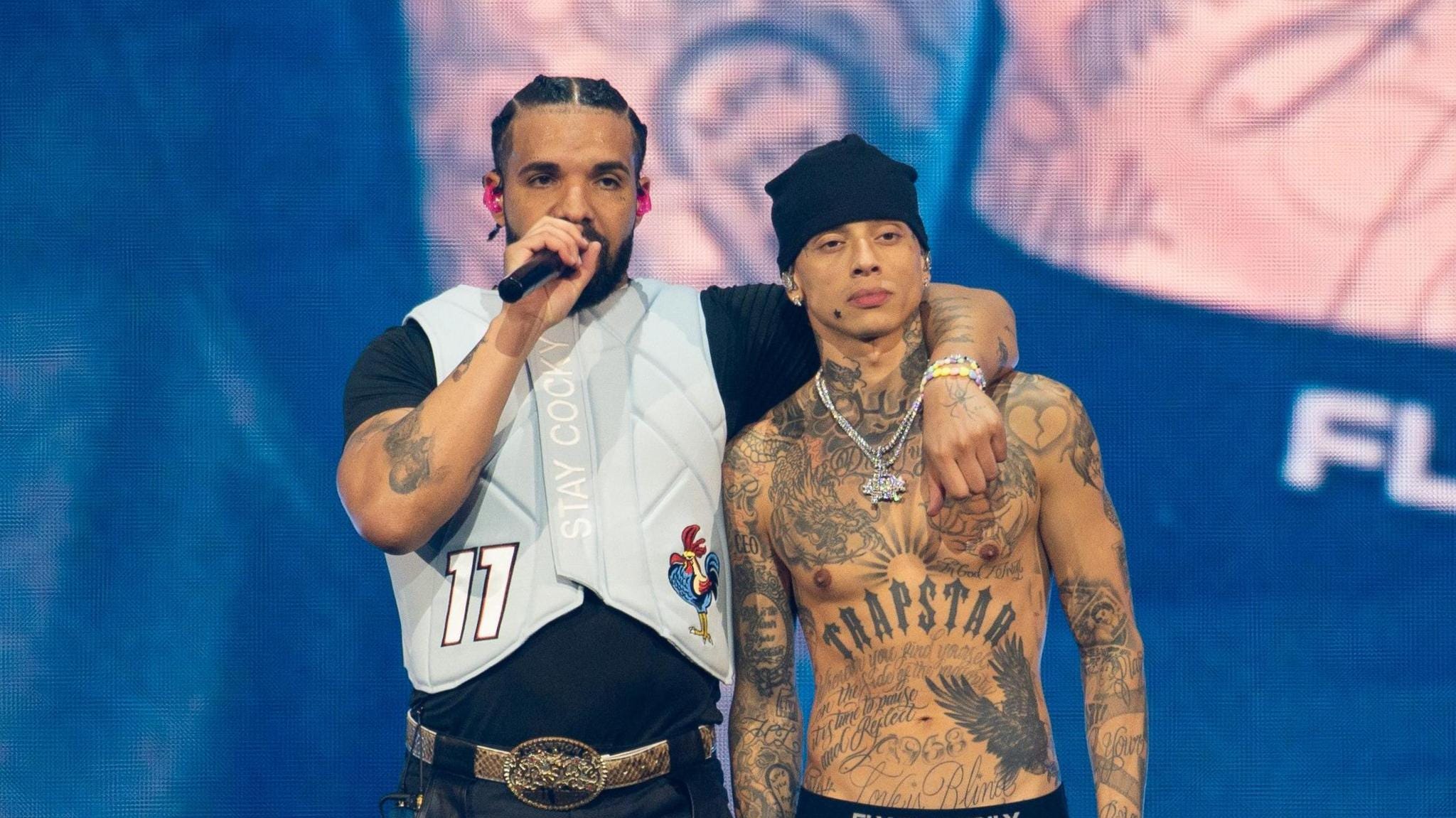
Complex picked it up. So did Billboard and Hot 97. His NBA Flag interview with Gunna did the same.
These are the moments that look effortless, spontaneous even. But they’re not. They’re the result of years spent understanding how the creator economy works, building media relationships before having any leverage, and navigating a market structure that treats UK creators fundamentally differently from their American counterparts. Rambo, aka Ramon Dawkins, has worked with everyone from Rolling Loud, Spotify, Arsenal FC and Footlocker, presenting at events like GRM Gala 2025, City Splash and brand activations across London.
For brands looking to work with creators or marketers trying to understand how cultural influence actually compounds, his journey offers a case study in strategic relationship building, distribution strategy and how to tap into all markets through culture.
The PR strategy behind viral moments
Rambo started during lockdown, interviewing people in his area, and this led him to understand the infrastructure around going viral.
“Mixtape Madness interviewed me, they actually wrote about my video, and I was like, woah. This is how this stuff works.”
From that point, he got tactical. Every video he dropped, he’d message journalists in advance, GRM Daily, Mixtape Madness, sending private links before publication. It’s the nuts and bolts of PR, but it’s also something most creators ignore. They focus on hacking the algorithm and audience growth whilst missing the traditional media ecosystem that still validates and amplifies work, particularly in the UK, where traditional gatekeepers hold more power than in the US.
When the interview with Central Cee happened, Rambo didn’t just post and hope. He reached out to fan pages with close to 1 million followers because strategic distribution matters more than organic reach.
“I knew. Central Cee and Drake in the same headline was always gonna go crazy.”
You absolutely have to push your sh*t like crack in the ‘80s, because as we’ve seen, viral moments can live and die exactly where you found them. It’s up to you to ensure it has longevity going forward. Understanding who shares your work, who writes about it, and who validates it matters as much as the content itself. For brands, this is why working with creators who can be syndicated across platforms delivers more than working with those who simply have large followings.
UK creators face a different game
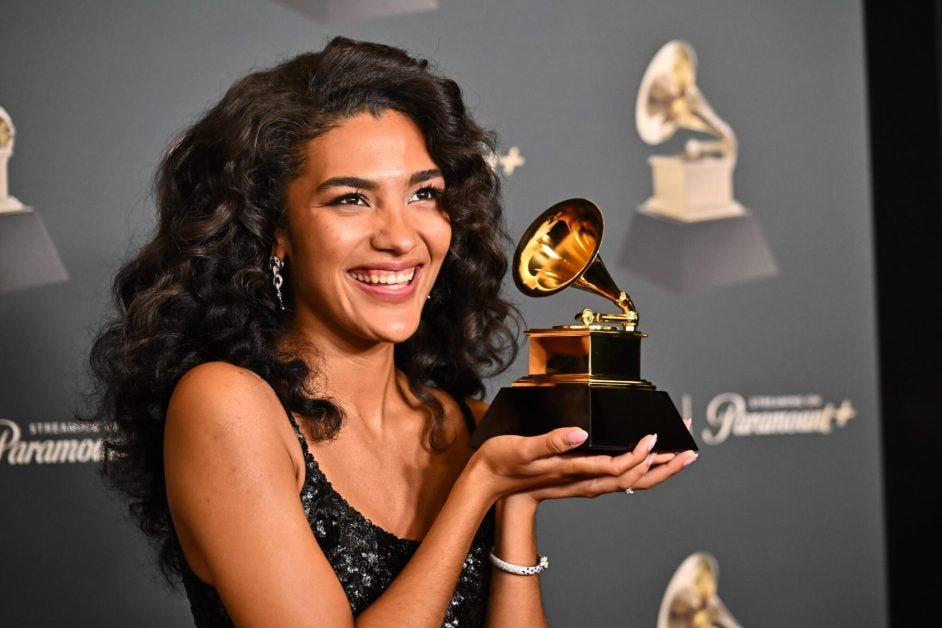
There’s a structural issue that affects UK creators trying to build independently. It’s the same challenge UK artists like Ella Mai, Olivia Dean, and Raye faced before breaking into the US market. Even Central Cee’s global recognition accelerated significantly through American validation. There’s an unfortunate reality that we in the UK have learnt quickly, and it’s that homegrown talent and businesses often need a US co-sign to be valued at home.
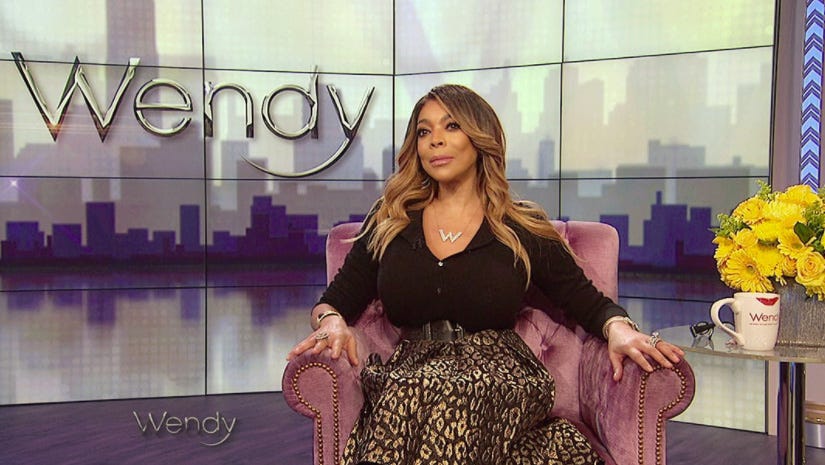
But Rambo represents a shift that’s only recently become possible. Historically, presenters were reserved for daytime TV or big broadcast shows, roles gatekept by traditional media institutions.
Now, freelance creatives have carved their own lane, becoming the mouthpieces for brands at red carpets, activations, and events, driving conversations with attendees and creating social moments that live beyond the event itself. Ramon’s work at events, such as the NBA flag game in London, created culturally relevant content that brands could never manufacture internally.


Yet despite this evolution, the structural challenge remains.
“When I go to America, they actually value creators. Creators hold the power. In the UK, brands hold the power. Creators need the brands.”
It’s not just perception. In the US, creators like Kai Cenat can stream at the Grammy Awards, with no brand attachment or publication credentials; rather, the creator is the publication. In the UK, access still requires institutional backing. An independent creator cannot simply show up and interview talent without agency representation or corporate partnership.
This affects monetisation and creative freedom. US creators can often build solely through platforms with sponsorships and memberships. UK creators are largely self-funding until they prove valuable to traditional brands, who still see them as marketing tools rather than independent media entities. When opportunities do come, they often come with no guarantees and little money.
For brands, this dynamic presents an opportunity. UK creators are under-resourced and undervalued relative to their global cultural impact. Early partnerships with the right voices, before they have institutional backing, offer access that won’t exist once the market (we hope) corrects.
Brands and creators, this is for you
Brands, lock into building a loyal creator pool early.
Creators, network, and align yourself with emerging brands you believe in.
Rambo’s biggest bet isn’t the viral moments with celebs; it’s Rambo’s Room, a long-form interview series he’s recently started.
“I might not see any money from it for a very long time, but I’m kind of okay with that. This is my thing. It’s not going anywhere.”
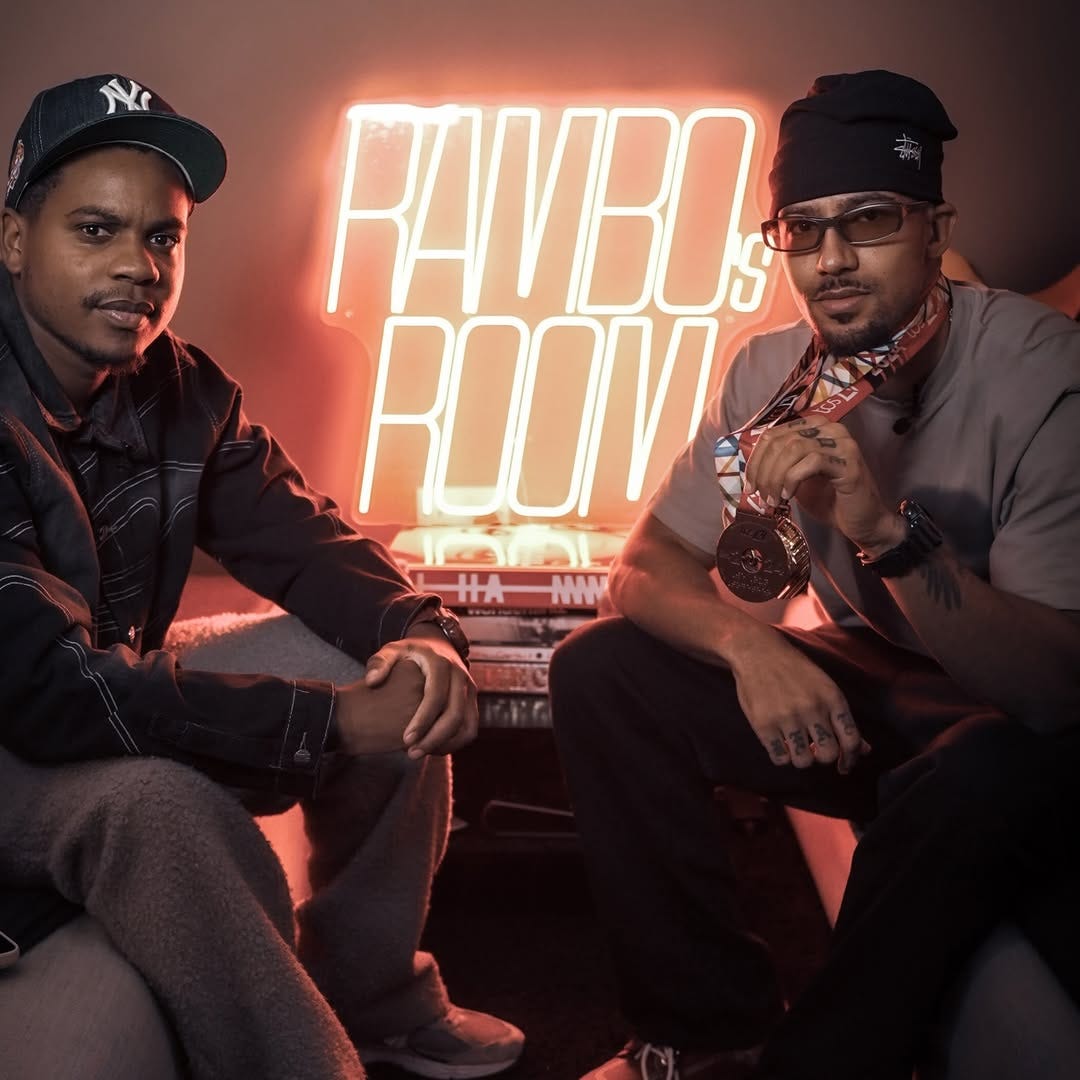
He’s building it independently, self-funding, with no brand backing. But that’s exactly what makes it valuable. Most brands chase reach and vanity metrics, working with whoever has the most followers this quarter. But sustainable creator marketing really comes down to identifying people building infrastructure before they need brand partnerships to do it, because once it does come, they’ll smash it.
Rambo’s value to a brand isn’t just his audience size. It’s that he understands distribution strategy, has built relationships across the UK and US media landscape, and is investing in owned platforms that compound over time. When brands work with him, they’re not getting a traditional host. They’re getting someone who turns candid moments into viral content and creates cultural touchpoints scripted presenters can’t access.
Brands should look for creators who are building ecosystems, not just audiences.


People investing in their own shows, platforms, content styles and series, cultivating media relationships, and playing the long game even when it’s not immediately profitable. Those are the partnerships that deliver sustained cultural relevance.
For 2026, Rambo is focused on the World Cup from a cultural angle. The fashion, music and entertainment around major sporting moments is what's currently driving this new wave of global awareness. And he's using the same strategy that got him here: positioning himself where culture is heading before it peaks.
Use what’s around you. Build relationships before you need them. And be consistent. People think it’s all viral moments, but it’s really about showing up, even when it’s messy.
For creators and brands alike, that’s the framework. Not chasing moments, but building the infrastructure that makes moments possible, and profitable, over time.
💡 Add this to your little blackbook, and use it to create reference points for building something worth celebrating.
And if you’re not already part of the conversation, you know where to find us on LinkedIn and Instagram @The Branding BlackBook .